Mexico’s Tariff Advantage: A Strategic Win for Nearshoring in 2025
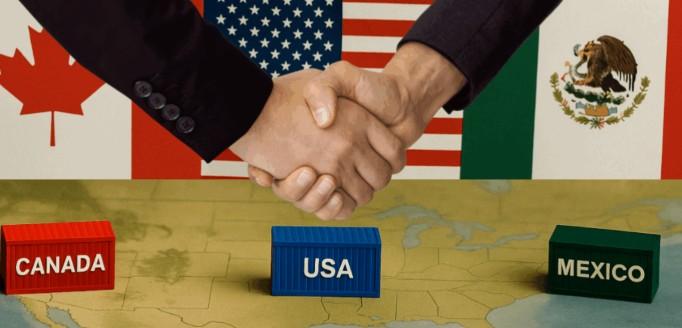
In 2025, Mexico is emerging as North America's most competitive manufacturing hub, thanks in large part to a strategic edge in tariff policy. Recent Mexico tariff news indicates that the country’s lower average duties compared to China and Canada are accelerating foreign investment, transforming Mexico into the preferred partner for U.S. companies seeking to nearshore production.
Mexico Tariff Trends: What the Data Shows
According to recent analysis by COMCE (Mexican Council for Foreign Trade, Investment, and Technology), Mexico's share of U.S. imports is projected to grow from 16.4% in 2025 to 19% by 2028. This trajectory is largely driven by lower tariff burdens:
- Tariffs on goods from Mexico: 10.6% (on average)
- From Canada: 13.1%
- From China: 27.9%
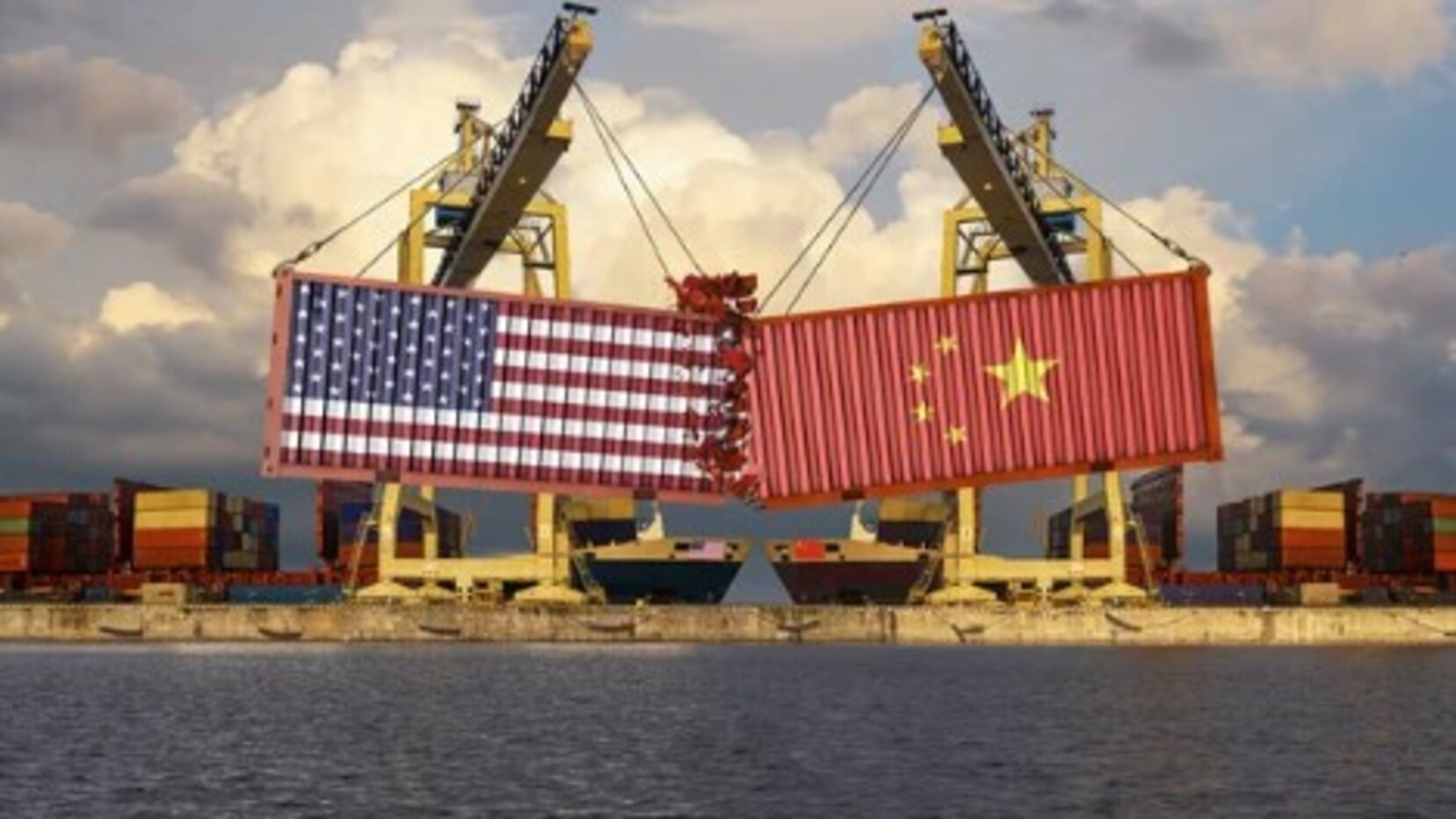
These numbers show how Mexico is benefiting from tariff trends while trade tensions, especially with China, disrupt traditional global supply chains.
Why Tariff Differences Matter for Supply Chains
Lower tariffs don't just reduce final costs. They play a vital role in long-term operational planning. For U.S. manufacturers, importing from Mexico under reduced duties means:
- Lower landed costs
- Fewer supply chain disruptions
- Greater predictability under USMCA rules
Tariff predictability is now a top priority for global manufacturers seeking resilience after years of pandemic-era volatility and trade policy shifts.
Strategic Impact Across Industries
Mexico’s favorable tariff position enhances its appeal across key sectors:
1. Automotive Manufacturing
Mexico continues to attract automotive giants seeking to relocate production from Asia. Lower tariffs make it cost-effective to import components and export finished vehicles, especially under USMCA content rules.
2. Medical Device and Electronics Production
In sectors where time-to-market is critical, Mexico’s proximity and lower tariffs allow companies to optimize both cost and delivery times, improving competitiveness.
3. Consumer Goods and Packaging
Nearshoring packaging production reduces bulk shipping from Asia. Mexico's tariff advantage supports flexible production tailored to U.S. retailers' demand.
The Ripple Effect: Mexico Gains as Others Lose
While Mexico benefits, its trade partners face mounting pressure:
- Canada: Expected GDP decline of –2.5% due to increased tariffs and retaliatory trade measures.
- China: Continues to lose share of U.S. imports as average tariffs rise and policy uncertainty grows.
In contrast, Mexico is projected to see a +0.09% GDP boost from its expanding share in U.S. trade.
Why Nearshoring to Mexico Makes Sense in 2025
With tariff advantages and a solid trade framework under USMCA, Mexico is increasingly seen as a smart long-term bet for companies looking to:
- Diversify risk away from Asia
- Shorten lead times
- Improve supply chain visibility
1. Manufacturing Strength
Mexico offers a robust ecosystem with modern industrial parks, especially in sectors like aerospace, automotive, and consumer electronics. Government support for advanced manufacturing helps attract global capital.
2. Skilled Labor & Cost Efficiency
With a growing pool of technical talent and labor costs lower than many Asian markets, Mexico delivers on both quality and affordability.
3. Location & Trade Certainty
Mexico’s proximity to the U.S. makes just-in-time delivery models viable again, while the USMCA ensures tariff stability through 2026 and likely beyond.
What U.S. Companies Should Do Now
To capitalize on Mexico’s tariff advantage and nearshoring momentum, companies should:
- Evaluate Total Landed Cost: Include tariff rates, logistics, and lead times in supply chain audits.
- Run Trade Policy Simulations: Work with finance and legal teams to model outcomes of future U.S. or Mexican tariff changes.
- Start Early: Real estate availability and workforce capacity vary by region. Early movers secure the best options.
- Think Regionally: Design supply chains that connect U.S. operations with Mexican production and distribution.
Tariffs & The Future of U.S.-Mexico Trade
The era of globalized, Asia-centric production is giving way to regional manufacturing strategies. In this new model, Mexico stands out not only for proximity but for regulatory and tariff advantages that are increasingly rare in today’s volatile trade environment.
As global manufacturers recalibrate their strategies for 2025 and beyond, the message is clear: Mexico is not just an alternative — it’s the new default.